Love this? Save it for later!
Share the inspiration with your friends
“I never thought a simple kitchen scale would become my best baking buddy,” my friend Claire told me one rainy Saturday afternoon. We were crouched in her cozy kitchen, surrounded by flour bags and half-measured ingredients scattered on the counter. She’d been wrestling with a recipe that stubbornly insisted on measurements in cups, while her favorite scale only read in pounds. Sound familiar? Honestly, I’ve been there too — staring at a recipe, wondering if that cup of flour is going to make my cookies too dense or too crumbly.
The truth is, baking is a bit like chemistry, and getting measurements right can be a real headache. Cups can be deceiving—how tightly you pack that brown sugar or how finely you sift your flour can change everything. That’s exactly why I created the Ultimate Baking Cups to Pounds Conversion Chart. It’s the kind of tool I wish I’d had back when I was fumbling through my first batch of bread or trying to convert grandma’s handwritten recipes into modern kitchen terms.
Maybe you’ve experienced that moment when you’re mid-recipe and realize you don’t have the right measuring cups, or you’re adapting an old recipe that only lists weights in pounds but your measuring tools speak cups. No worries — this chart is your kitchen lifesaver. It’s designed with real home bakers in mind, blending accuracy with simplicity so you can focus on what really matters: mixing, baking, and enjoying every bite.
Just the other day, I accidentally grabbed a cup meant for liquids while measuring flour—classic me! Instead of tossing the batch, I quickly checked the chart and adjusted the recipe. The cookies still came out perfect, and the chart has been sitting on my fridge ever since. If you’ve ever been frustrated by conversions or just want to bake with more confidence, stick around — this guide is made for you.
Why You’ll Love This Ultimate Baking Cups to Pounds Conversion Chart
Honestly, this isn’t just any old conversion chart. After years of baking and testing countless recipes, I’ve put together a tool that’s both practical and reliable. Here’s why it’s become a staple in my kitchen and why I think it will be in yours too:
- Quick & Easy: Find the exact pound equivalent for common baking ingredients in seconds, perfect for whipping up treats on busy days.
- Simple Ingredients Coverage: Includes everything from all-purpose flour to powdered sugar and nuts — no more guesswork.
- Perfect for All Baking Occasions: Whether you’re crafting weekend bread, holiday cookies, or a last-minute cake, this chart has your back.
- Crowd-Pleaser: Accurate measurements mean consistent results, so your baked goods will always impress family and friends.
- Unbelievably Useful: Saves you from those frustrating moments when recipes mix cups and pounds — no math anxiety here!
What sets this chart apart is the attention to detail — I’ve included notes on ingredient density, moisture content, and packing tips. Plus, if you’ve ever struggled with recipes like my creamy cheesecake recipe that require precise conversions, this’ll be your go-to resource. It’s not just numbers on paper; it’s a practical baking companion that helps you avoid mishaps and enjoy the process.
What Ingredients You Will Need for the Conversion Chart
Before we jump into the chart, let’s talk about the ingredients covered here. This conversion chart focuses on common baking staples—those reliable pantry items you reach for all the time. The goal is to bring clarity to the ones that commonly trip up bakers when converting cups to pounds.
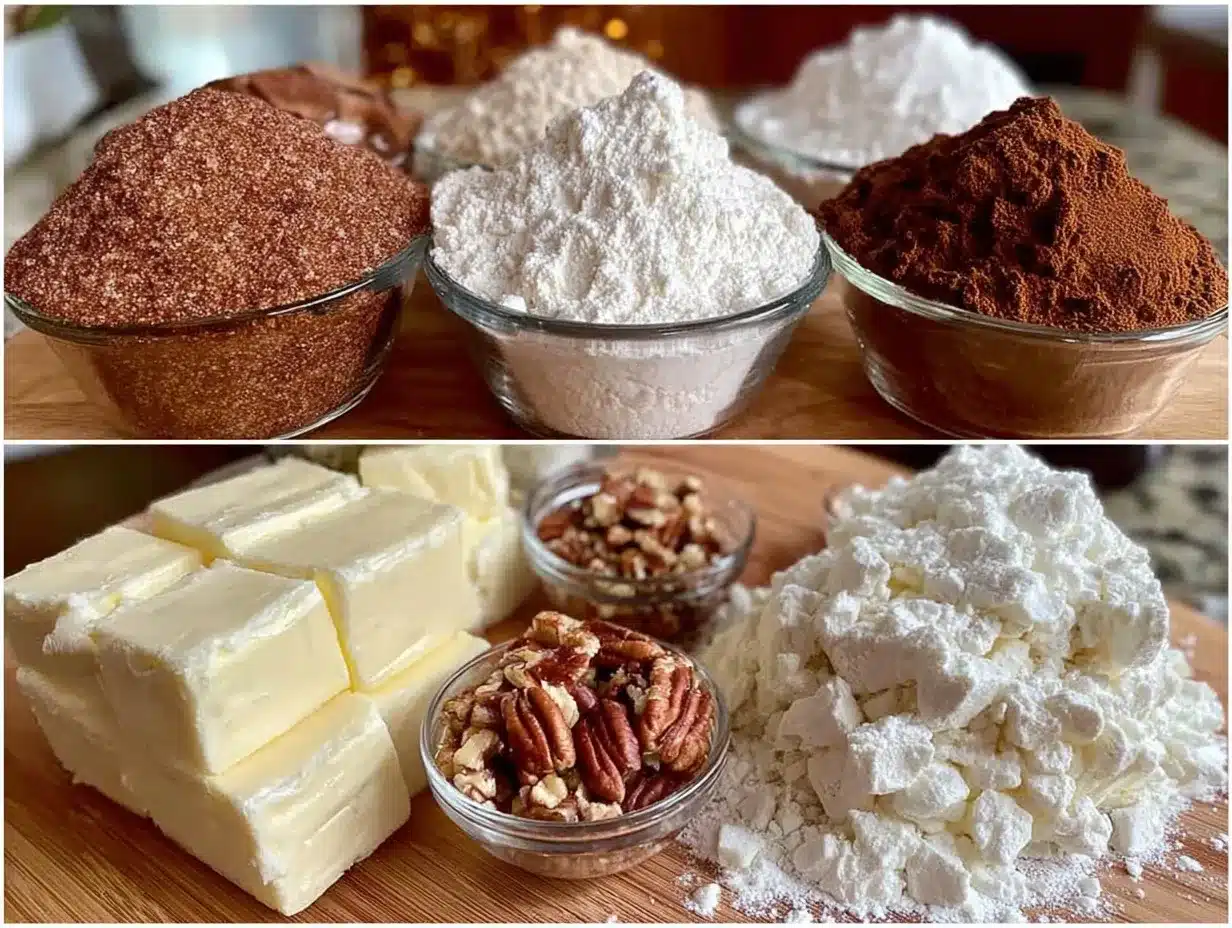
- All-Purpose Flour: The backbone of many recipes, with a standard weight of about 4.25 ounces (120 grams) per cup.
- Bread Flour: Slightly heavier than all-purpose, roughly 4.5 ounces (128 grams) per cup, great for artisan breads.
- Whole Wheat Flour: Denser and heavier, averaging 4.25 – 4.5 ounces (120–128 grams) per cup.
- Granulated Sugar: A cup typically weighs 7 ounces (198 grams), but remember that moisture and packing can tweak this.
- Brown Sugar (packed): Comes in at about 7.5 ounces (213 grams) per packed cup — packing is key here!
- Powdered Sugar: Light and fluffy, roughly 4 ounces (113 grams) per cup.
- Cocoa Powder: Around 3.5 ounces (100 grams) per cup, but can vary by brand.
- Butter: When measured in cups, 1 cup equals 8 ounces (227 grams) — easy to remember!
- Nuts (chopped): Weight varies, but typically 4.5 ounces (128 grams) per cup.
- Oats: About 3 ounces (85 grams) per cup, depending on the type.
When selecting ingredients, I usually recommend trusted brands like King Arthur for flours or Bob’s Red Mill for nuts and grains. These brands tend to have consistent densities, which makes conversions more reliable. If you’re using seasonal or homemade ingredients, the chart still works — just keep in mind slight variations.
Substitutions? No problem. For gluten-free baking, you can swap all-purpose flour with almond flour or gluten-free blends, but note that the weight per cup will differ, so check specific packaging or adjust accordingly. For dairy-free baking, use plant-based butter alternatives with similar weight per cup.
Equipment Needed for Accurate Baking Measurements
Getting your ingredient measurements right isn’t just about the numbers — your tools matter too. Here’s a quick rundown of what you’ll need to make the most of the Ultimate Baking Cups to Pounds Conversion Chart:
- Kitchen Scale: A must-have for precise baking. I use a digital scale with both US and metric units — it’s a game changer. Even a budget-friendly model works well, just make sure it’s accurate to at least 1 gram or 0.1 ounce.
- Measuring Cups: Standard dry measuring cups in sets are great for quick volume checks, but remember they’re less precise than weight.
- Measuring Spoons: For smaller quantities like baking powder or spices, accurate spoons are essential.
- Mixing Bowls: Have a variety on hand to mix ingredients after weighing — glass or stainless steel works best.
- Spatulas & Scoops: Use these to level ingredients in cups or transfer to your scale quickly.
I’ve tried everything from vintage kitchen scales to fancy smart scales, and honestly, a simple digital scale is all you need. Just remember to zero it out before weighing each ingredient (tare function) — that little step saves headaches. Keeping your scales clean and calibrated makes all the difference, too.
Preparation Method: How to Use the Ultimate Baking Cups to Pounds Conversion Chart
- Identify the Ingredient: Look at your recipe and find the ingredient you need to convert.
- Find the Corresponding Weight: Use the chart to locate the weight in pounds (or ounces/grams) for the number of cups specified in your recipe.
- Set Your Scale: Turn on your kitchen scale, switch to pounds or grams depending on your preference, and place your mixing bowl on the scale. Press the tare button to zero the weight.
- Measure the Ingredient: Slowly add your ingredient to the bowl until you reach the weight indicated by the chart. For example, if your recipe calls for 2 cups of all-purpose flour, measure out 0.53 pounds (8.5 ounces or 240 grams).
- Adjust for Packing or Sifting: If your recipe calls for sifted flour, weigh after sifting. For brown sugar, pack it firmly before measuring weight to match the chart’s values.
- Repeat for Each Ingredient: Follow the same steps for sugars, cocoa powder, nuts, or any other components.
- Double-Check Your Measurements: It’s easy to get distracted (I’ve been there), so give your scale a quick look before mixing.
- Proceed with Your Recipe: Now that you have accurate weights, follow the rest of your baking instructions with confidence.
Timing isn’t usually tricky here — measuring takes just a few minutes, but it saves so much time from fixing a failed batch. One tip: measure heavier ingredients first to prevent cross-contamination of flavors. Also, if you’re converting a large batch, weigh ingredients in smaller portions for accuracy rather than dumping everything in at once.
Cooking Tips & Techniques for Accurate Baking Conversions
Let me tell you, even with a great conversion chart, baking can be a bit tricky if you don’t pay attention to a few key details.
- Don’t Skip the Scale: Volume measurements can vary wildly, especially with flour. Using a scale guarantees consistency every time.
- Level Your Ingredients: When measuring cups, scoop then level with a straight edge. This avoids compacted ingredients that throw off weight.
- Keep Ingredients Dry: Moisture changes weight. For example, brown sugar packs differently if damp, so store it well and check before measuring.
- Calibrate Your Scale: If you notice odd readings, reset or recalibrate your scale according to manufacturer instructions.
- Use Fresh Ingredients: Old flour or nuts can lose moisture and weight over time, affecting conversions and texture.
- Practice Makes Perfect: The more you bake using weight measurements, the more instinctive it becomes — I promise it’s worth it.
One time, I didn’t realize my scale switched to grams mid-measurement and ended up with triple the sugar in my batter. Disaster? Not quite — those super-sweet cupcakes were surprisingly popular! But lessons learned: keep an eye on the unit display and zero your scale frequently.
Variations & Adaptations for Different Baking Needs
While this chart covers the basics, baking is flexible. Here are some ways to adapt conversions depending on your preferences or dietary needs:
- Gluten-Free Baking: Use almond, coconut, or gluten-free flour blends. These weigh differently — almond flour, for example, is heavier per cup, so adjust weight accordingly.
- Low-Carb Options: Substitute traditional flours with coconut flour or ground nuts. Conversion charts for these are separate but similar in approach.
- Vegan Baking: Ingredient weights remain the same, but you might swap butter with plant-based alternatives that have different moisture contents.
- Seasonal Ingredients: For fresh nuts or homemade nut butters, weigh carefully since moisture and grind size affect weight.
- Using Alternative Sweeteners: Honey or maple syrup doesn’t convert cup-to-pound the same way sugar does; use specific weight charts or measure by volume cautiously.
Personally, I once swapped out half the flour in a cookie recipe with almond flour, using weight from this chart as a baseline. The result? A delightfully chewy texture with a nutty twist — a happy accident that became a favorite tweak.
Serving & Storage Suggestions for Baking Conversions
While our chart is a behind-the-scenes hero, it influences how your baked goods turn out — and that affects serving and storage too.
- Serving Temperature: Most baked goods taste best slightly warm or at room temperature, especially those with butter or sugar measured precisely.
- Presentation Tips: Accurate measurements mean you get the right texture, so you can slice cakes cleanly or shape cookies evenly — presentation made easy!
- Storage Instructions: Store baked goods in airtight containers at room temperature for 2-3 days. For longer storage, freeze wrapped items; thaw gently to maintain texture.
- Reheating Tips: Warm in a low oven or microwave briefly to revive softness. Precise ingredient conversions help baked goods retain moisture better.
- Flavor Development: Some breads and cookies improve in flavor a day after baking, thanks to balanced ingredient ratios — a direct benefit of accurate conversions.
Nutritional Information & Benefits of Using Accurate Conversions
Using the Ultimate Baking Cups to Pounds Conversion Chart can also help you keep a closer eye on nutrition. Accurate measurements mean you know exactly how much sugar, fat, or flour goes into your baked goods, which is great if you’re tracking calories or macros.
- Better Portion Control: Helps you divide dough or batter evenly, making servings consistent.
- Ingredient Awareness: Knowing exact weights makes it easier to substitute healthier options without guessing.
- Dietary Considerations: Supports gluten-free, low-carb, or vegan baking by providing a reliable reference for ingredient swaps.
- Allergen Management: Helps avoid accidental overuse of allergenic ingredients by precise measurement.
From a personal wellness perspective, baking with confidence and precision reduces stress and waste — and that’s a benefit worth savoring!
Conclusion
So, why is the Ultimate Baking Cups to Pounds Conversion Chart worth keeping in your kitchen? Because it turns guesswork into certainty, making your baking smoother, tastier, and more fun. Whether you’re a beginner or a seasoned pro, having this chart on hand saves you from those frustrating moments that can otherwise ruin your baking vibe.
Feel free to customize the chart to your favorite ingredients or tweak it for special diets. I love that it’s become a trusted tool in my kitchen, helping me recreate recipes like my classic chocolate chip cookies or lemon poppy seed muffins with ease.
If you try the chart, I’d love to hear how it works for you — any cool tips or recipes you’ve adapted with it? Drop a comment below or share your baking wins. Remember, the best baking comes from a place of joy and experimentation, and this chart is here to make sure you get there without the stress.
Happy baking, and may your scales always be in your favor!
FAQs About Baking Cups to Pounds Conversion
How accurate is the cups to pounds conversion for baking?
It’s very accurate when you consider ingredient density and packing. Using a kitchen scale alongside the chart ensures precision, since volume can vary depending on how ingredients are measured.
Can I use this chart for all baking ingredients?
The chart covers the most common baking staples like flours, sugars, cocoa, and nuts. For more specialized items, you might need specific conversion info, but this handles the bulk of everyday baking.
Why do some recipes list ingredients in cups and others in pounds?
It often depends on the recipe’s origin. American recipes tend to use cups, while professional or European recipes use weight. Weight measurements are generally more reliable for baking precision.
Is it okay to substitute ingredients based on this conversion chart?
Yes, but keep in mind that different ingredients have different densities and moisture levels. Always check the chart or packaging for specific substitutions and adjust recipes accordingly.
What’s the best way to measure sticky ingredients like brown sugar?
Pack brown sugar firmly into your measuring cup, then weigh it on the scale. The chart accounts for packed brown sugar weight, which is heavier than loosely scooped sugar.
Pin This Recipe!
Ultimate Baking Cups to Pounds Conversion Chart
A practical and reliable guide to converting common baking ingredients from cups to pounds, designed to help bakers achieve accurate measurements and consistent results.
- Prep Time: 5 minutes
- Cook Time: N/A
- Total Time: 5 minutes
- Yield: N/A
- Category: Baking Guide
- Cuisine: American
Ingredients
- All-Purpose Flour: 4.25 ounces (120 grams) per cup
- Bread Flour: 4.5 ounces (128 grams) per cup
- Whole Wheat Flour: 4.25 – 4.5 ounces (120–128 grams) per cup
- Granulated Sugar: 7 ounces (198 grams) per cup
- Brown Sugar (packed): 7.5 ounces (213 grams) per cup
- Powdered Sugar: 4 ounces (113 grams) per cup
- Cocoa Powder: 3.5 ounces (100 grams) per cup
- Butter: 8 ounces (227 grams) per cup
- Nuts (chopped): 4.5 ounces (128 grams) per cup
- Oats: 3 ounces (85 grams) per cup
Instructions
- Identify the ingredient you need to convert from your recipe.
- Use the chart to find the weight in pounds (or ounces/grams) for the number of cups specified.
- Turn on your kitchen scale and set it to pounds or grams as preferred.
- Place your mixing bowl on the scale and press the tare button to zero the weight.
- Slowly add the ingredient to the bowl until you reach the weight indicated by the chart.
- Adjust for packing or sifting as needed (e.g., pack brown sugar firmly).
- Repeat the process for each ingredient in your recipe.
- Double-check your measurements before proceeding with the recipe.
Notes
Use a digital kitchen scale accurate to at least 1 gram or 0.1 ounce. Zero out (tare) the scale before weighing each ingredient. Pack brown sugar firmly before weighing. Adjust weights for sifted flour or alternative flours. Calibrate your scale regularly for accuracy.
Nutrition
- Serving Size: Varies by recipe
Keywords: baking, cups to pounds conversion, baking measurements, kitchen scale, ingredient conversion, baking tips, flour conversion, sugar conversion