Love this? Save it for later!
Share the inspiration with your friends
“Are you sure you want to add shrimp?” my friend asked skeptically over the phone, as I rattled off my plan to make pad thai from scratch. Honestly, I wasn’t entirely sure myself. I’d always thought pad thai was this complicated dish, best left to street vendors or fancy restaurants. But that afternoon, with a fridge full of random ingredients and a craving that just wouldn’t quit, I decided to roll the dice on a homemade version. What happened next surprised me — the sauce came together in minutes, the rice noodles cooked up perfectly without sticking (a small miracle, really), and the shrimp got that perfect sizzle that locked in a smoky, slightly sweet flavor.
That first bite was a quiet revelation. The tangy, slightly nutty sauce wrapped every noodle and shrimp in a way that made me pause, mid-chew, just to savor it. I’ve since made this shrimp pad thai more times than I can count — sometimes twice in one week, honestly. The balance of flavors, the texture contrast, and the simple homemade sauce that’s anything but ordinary made it a go-to for quick dinners or impressing friends who think I’m some kind of kitchen wizard. This recipe stuck because it’s approachable, satisfying, and it feels like a little celebration of flavors every time I make it.
Why You’ll Love This Recipe
- Quick & Easy: Ready in under 30 minutes — perfect for busy weeknights or when you want something that feels special without the fuss.
- Simple Ingredients: Uses pantry staples and fresh shrimp, no unusual sauces lurking in the back of your fridge.
- Perfect for Any Occasion: Whether it’s a cozy solo dinner or a casual dinner party, this shrimp pad thai hits the spot.
- Crowd-Pleaser: The balance of sweet, tangy, and savory flavors makes it a hit with both kids and adults.
- Unbelievably Delicious: The homemade sauce brings everything together with a unique depth that’s hard to find in store-bought versions.
This isn’t just another pad thai recipe. The secret lies in the way the sauce blends tamarind paste, fish sauce, and a touch of brown sugar, creating a tangy-sweet punch that complements the shrimp beautifully. Plus, using rice noodles that soak up the sauce just right makes each bite a little burst of flavor. Honestly, it’s the kind of recipe that makes you close your eyes after the first bite and smile — a little moment of kitchen magic that feels both authentic and welcoming.
What Ingredients You Will Need
This recipe keeps things straightforward, relying on fresh, wholesome ingredients that come together to deliver bold, layered flavors.
- For the Pad Thai:
- 8 oz (225g) rice noodles, dried (thin or medium width works best)
- 12 oz (340g) raw shrimp, peeled and deveined
- 2 large eggs, lightly beaten
- 3 tbsp vegetable oil (neutral flavor for frying)
- 3 cloves garlic, minced
- 1 cup bean sprouts, rinsed and drained
- 3 green onions, sliced thinly (white and green parts separated)
- 1/4 cup roasted peanuts, chopped (adds crunch and nuttiness)
- 1 lime, cut into wedges (for serving)
- For the Homemade Sauce:
- 3 tbsp tamarind paste (key for that authentic tang)
- 3 tbsp fish sauce (I trust Red Boat for its clean flavor)
- 2 tbsp light brown sugar (balances the tartness)
- 1 tbsp soy sauce (for depth; can use gluten-free tamari)
- 1 tsp chili flakes (optional, adjust to taste)
All these ingredients are pretty easy to find at most grocery stores or Asian markets. If tamarind paste is hard to get, you can substitute with 2 tbsp of fresh lime juice plus a splash of rice vinegar, but the flavor won’t be quite the same. For a gluten-free version, swap soy sauce with tamari and ensure your fish sauce doesn’t contain gluten additives.
Equipment Needed
- Large bowl (for soaking rice noodles)
- Large skillet or wok (a well-seasoned wok works wonders for stir-frying)
- Spatula or wooden spoon (to toss ingredients without breaking noodles)
- Measuring spoons and cups (for precise sauce ratios)
- Knife and cutting board (for prepping shrimp, garlic, and green onions)
If you don’t have a wok, a large heavy-bottomed skillet works just fine — I often use my trusty cast iron pan when the wok is busy. One tip: make sure your pan is hot before adding shrimp to get that nice sear without steaming. For budget-friendly options, a non-stick skillet is an easy alternative and cleanup is a breeze.
Preparation Method
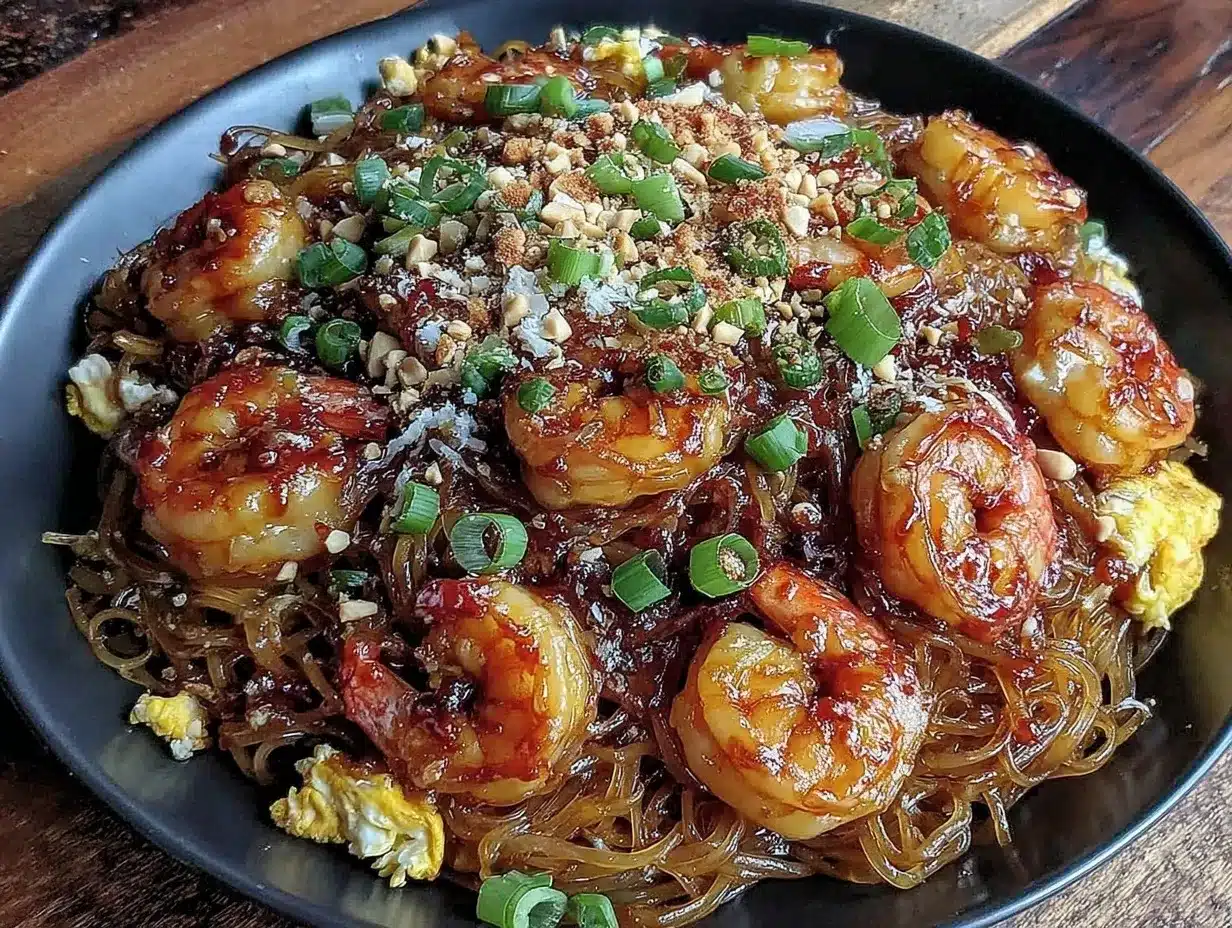
- Prep the Rice Noodles: Place the dried rice noodles in a large bowl and cover with warm water. Let them soak for about 20-25 minutes until pliable but still a bit firm to the bite. Drain and set aside. (If you soak too long, noodles get mushy; too short, and they won’t soften properly.)
- Make the Sauce: In a small bowl, whisk together tamarind paste, fish sauce, brown sugar, soy sauce, and chili flakes until the sugar dissolves. Set aside for flavors to meld.
- Cook the Shrimp: Heat 1 tablespoon of vegetable oil in your wok or skillet over medium-high heat. Add the shrimp in a single layer. Cook for 1-2 minutes per side until they turn pink and curl up. Remove shrimp and set aside. (Shrimp cooks fast — overcooking makes them rubbery.)
- Scramble the Eggs: Add another tablespoon of oil to the pan. Pour in the beaten eggs and scramble gently until just set. Push eggs to the side of the pan.
- Combine Garlic and Noodles: Add remaining oil and minced garlic to the pan. Stir-fry for about 30 seconds until fragrant. Toss in the soaked noodles and pour the sauce over them. Stir-fry quickly, tossing noodles to coat evenly and warm through (about 2-3 minutes). Noodles should be glossy and coated but not sticky.
- Finish with Shrimp and Veggies: Return shrimp and the white parts of green onions to the pan. Toss everything together, then add bean sprouts and give a final quick stir just to warm them slightly but keep their crunch.
- Serve: Plate the pad thai and sprinkle with chopped peanuts and green onion tops. Add lime wedges on the side for squeezing over — that citrus punch really brightens the dish.
Pro tip: Stir-frying on high heat is key to getting that slightly smoky, wok hei flavor. Don’t overcrowd the pan; if your pan is small, cook in batches. And trust me, the little sizzle sounds make the whole process more fun!
Cooking Tips & Techniques
One trick I learned the hard way is soaking rice noodles properly. Too long, and they fall apart; too short, and they’re unpleasantly chewy. Aim for that perfect middle ground where noodles are soft but still have some bite. Also, don’t rinse the noodles after soaking — it washes off the starch that helps the sauce cling.
Another tip: keep all your ingredients prepped and ready before you start cooking. Pad thai cooks quickly, so having everything at hand saves you from scrambling and unevenly cooked shrimp or eggs. I usually set up a little mise en place station with sauce, shrimp, eggs, veggies, and noodles all lined up.
When stir-frying, use high heat and a quick hand. Toss or stir often but gently to keep noodles intact and prevent sticky clumps. If you want that smoky wok flavor, a cast iron pan or traditional wok is your best friend.
Lastly, don’t skip the peanuts and lime. They add contrast — crunch and acidity — that keeps the dish balanced and far from flat.
Variations & Adaptations
- Vegetarian Version: Swap shrimp for extra firm tofu, pressed and cubed. Use soy sauce instead of fish sauce, and add mushrooms or bell peppers for more texture.
- Spice it Up: Add fresh chopped Thai chilies or a drizzle of chili oil if you like more heat. Adjust chili flakes in the sauce accordingly.
- Gluten-Free: Use tamari instead of soy sauce and verify your fish sauce is gluten-free. Rice noodles are naturally gluten-free, so this recipe is easy to adapt.
- Seasonal Twist: In summer, toss in fresh snap peas or julienned carrots for crunch. In winter, swap bean sprouts with shredded cabbage or kale.
- Personal Favorite: I sometimes add a splash of coconut milk to the sauce for creaminess — it’s unexpected but works wonders, especially if you’re craving a richer texture.
Serving & Storage Suggestions
Shrimp pad thai tastes best fresh and hot, served immediately after cooking. The lime wedges on the side are non-negotiable — a quick squeeze brightens every bite. For a complete meal, I like to serve it alongside a simple cucumber salad or some lightly steamed greens. A chilled Thai iced tea or a crisp white wine pairs beautifully.
Leftovers keep well in an airtight container in the fridge for up to 2 days. When reheating, add a splash of water or broth to loosen the noodles and warm gently over medium heat to avoid drying out the shrimp. The flavors meld over time, making for an even tastier second-day meal.
Nutritional Information & Benefits
This shrimp pad thai is a balanced dish with protein from shrimp and eggs, carbs from rice noodles, and fiber and vitamins from bean sprouts and green onions. Shrimp is a great low-calorie protein source rich in selenium and vitamin B12. Tamarind adds antioxidants, while peanuts contribute healthy fats.
The recipe is naturally gluten-free if you use tamari and fish sauce without gluten. It’s a moderate-carb meal with a good mix of flavors that satisfy without feeling heavy. Keep in mind, fish sauce and soy sauce add sodium, so adjust portions if you’re watching salt intake.
Conclusion
This flavorful shrimp pad thai with rice noodles and homemade sauce is a recipe that quickly became a kitchen staple for me. It’s approachable, fast, and packed with layers of flavor that feel both authentic and comforting. What I love most is how easy it is to customize — making it your own with different proteins, veggies, or spice levels. Cooking it feels like a little reward at the end of a busy day.
Give it a try, tweak it to your taste, and share your version with friends or family. I’m confident this recipe will make its way into your regular rotation just like it did in mine — simple, satisfying, and delicious every time.
Frequently Asked Questions
- Can I use frozen shrimp for this recipe?
Yes, just thaw them completely and pat dry before cooking to avoid excess moisture. - What type of rice noodles work best?
Thin or medium-width dried rice noodles soak easily and cook quickly, making them ideal for pad thai. - How can I make this dish vegan?
Replace shrimp with tofu, omit eggs, and use soy sauce instead of fish sauce. - Is tamarind paste necessary?
It’s key for authentic flavor, but you can substitute with lime juice and rice vinegar if needed. - Can I prepare the sauce ahead of time?
Absolutely! The sauce keeps well in the fridge for up to a week, which makes weeknight cooking even easier.
Pin This Recipe!
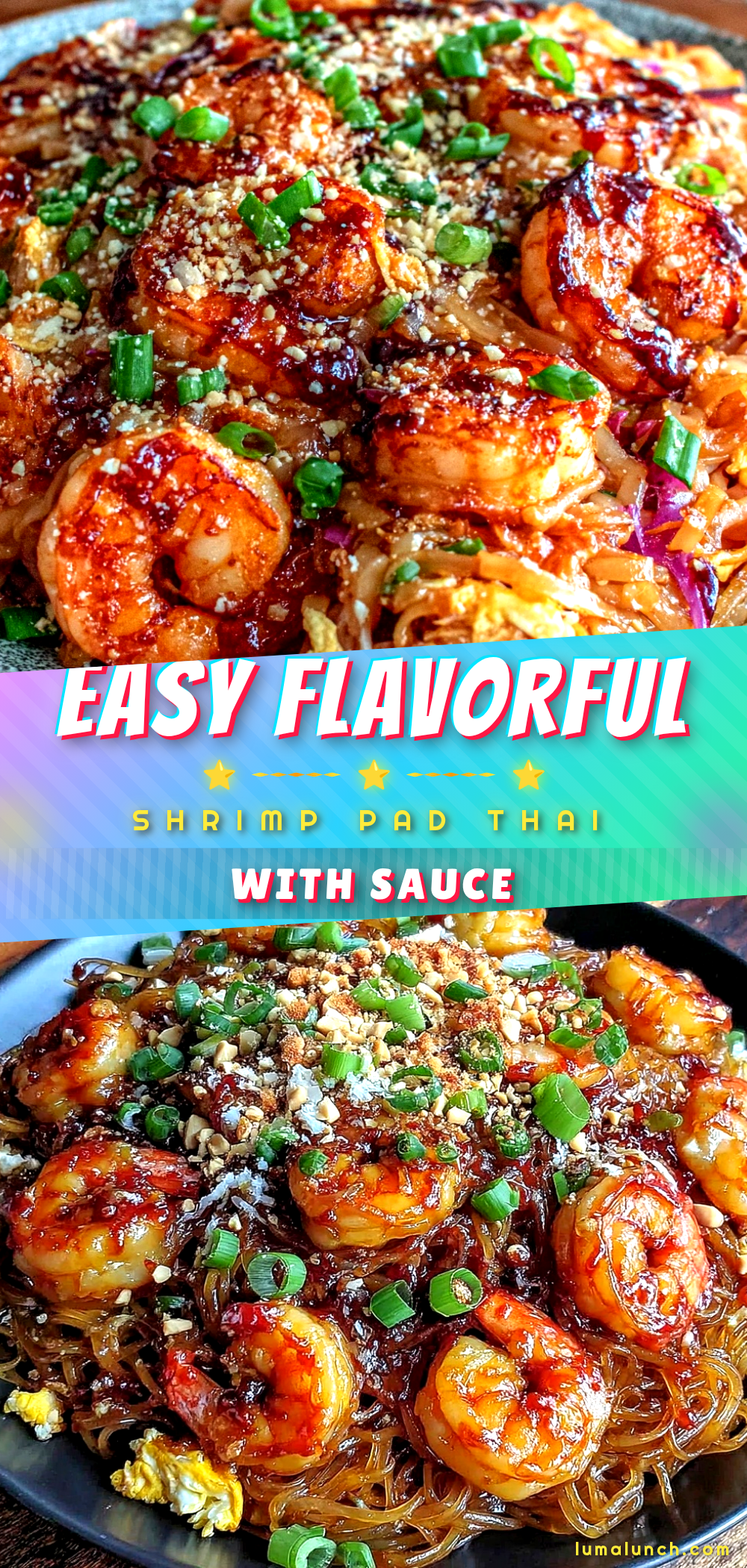
Flavorful Shrimp Pad Thai Recipe Easy Homemade Sauce and Rice Noodles

A quick and easy homemade shrimp pad thai with a tangy, nutty sauce and perfectly cooked rice noodles. This recipe is approachable, satisfying, and packed with authentic flavors.
- Prep Time: 10 minutes
- Cook Time: 15 minutes
- Total Time: 25 minutes
- Yield: 3-4 servings 1x
- Category: Main Course
- Cuisine: Thai
Ingredients
- 8 oz (225g) rice noodles, dried (thin or medium width works best)
- 12 oz (340g) raw shrimp, peeled and deveined
- 2 large eggs, lightly beaten
- 3 tbsp vegetable oil (neutral flavor for frying)
- 3 cloves garlic, minced
- 1 cup bean sprouts, rinsed and drained
- 3 green onions, sliced thinly (white and green parts separated)
- 1/4 cup roasted peanuts, chopped
- 1 lime, cut into wedges
- 3 tbsp tamarind paste
- 3 tbsp fish sauce
- 2 tbsp light brown sugar
- 1 tbsp soy sauce (or gluten-free tamari)
- 1 tsp chili flakes (optional)
Instructions
- Place the dried rice noodles in a large bowl and cover with warm water. Let soak for 20-25 minutes until pliable but still slightly firm. Drain and set aside.
- In a small bowl, whisk together tamarind paste, fish sauce, brown sugar, soy sauce, and chili flakes until sugar dissolves. Set aside.
- Heat 1 tablespoon vegetable oil in a wok or large skillet over medium-high heat. Add shrimp in a single layer and cook 1-2 minutes per side until pink and curled. Remove shrimp and set aside.
- Add another tablespoon of oil to the pan. Pour in beaten eggs and scramble gently until just set. Push eggs to the side of the pan.
- Add remaining oil and minced garlic to the pan. Stir-fry for about 30 seconds until fragrant. Toss in soaked noodles and pour sauce over them. Stir-fry quickly for 2-3 minutes until noodles are glossy and coated but not sticky.
- Return shrimp and white parts of green onions to the pan. Toss together, then add bean sprouts and stir briefly to warm while keeping crunch.
- Plate the pad thai and sprinkle with chopped peanuts and green onion tops. Serve with lime wedges for squeezing over.
Notes
Soak rice noodles just until pliable but still firm to avoid mushy noodles. Do not rinse noodles after soaking to keep starch for sauce adhesion. Use high heat and avoid overcrowding the pan for best stir-fry results. Lime wedges and peanuts add essential acidity and crunch.
Nutrition
- Serving Size: Approximately 1 cup
- Calories: 380
- Sugar: 7
- Sodium: 900
- Fat: 18
- Saturated Fat: 3
- Carbohydrates: 35
- Fiber: 3
- Protein: 25
Keywords: shrimp pad thai, homemade pad thai, easy pad thai recipe, thai noodles, rice noodles, tamarind sauce, quick dinner, gluten-free pad thai