Love this? Save it for later!
Share the inspiration with your friends
My friend Jenna had been hoarding sourdough discard in her fridge for three weeks. Every time I came over, she’d open the door and gesture dramatically at the jar like it was a science experiment gone wrong. “I don’t know what to do with it,” she’d say. “I feel guilty throwing it away, but I’m tired of crackers.” I’d nod sympathetically, having been there myself more times than I can count. Then one rainy Tuesday, I showed up with a bottle of olive oil and a sprig of rosemary from my garden. “Trust me,” I told her. “We’re fixing this today.” Two hours later, she was picking crispy edges off the pan, still warm, with butter melting into every dimple. “Okay,” she said, mouth full. “I get it now.”
That’s the thing about this perfect sourdough discard focaccia with rosemary. It turns what feels like kitchen waste into something you’d actually pay for at a bakery. Honestly, I’ve made versions of this recipe more times than I can count, tweaking hydration levels and proofing times until the texture was exactly right—crispy on the outside, pillowy on the inside, with those signature craggy dimples that catch all the olive oil and salt. If you’ve been staring at your own jar of discard wondering what to do with it, let me tell you: this is the answer. Maybe you’ve been there, standing in your kitchen with flour on your counter and no plan. I promise this changes everything.
Why You’ll Love This Recipe
Let me tell you why this sourdough discard focaccia has become my most-requested bread recipe. I’ve tested it at least a dozen times, tweaked the hydration, adjusted the salt, and even burned a batch or two learning the hard way. What I landed on is something special.
- Quick & Easy : Unlike traditional sourdough that needs a full day of babysitting, this comes together in about 3 hours total. Most of that is hands-off rising time.
- Simple Ingredients : You need flour, water, olive oil, salt, rosemary, and that discard sitting in your fridge. No fancy grocery runs required.
- Perfect for Using Up Discard : This uses a full cup of sourdough discard. Goodbye guilt, hello delicious bread.
- Crowd-Pleaser : I’ve brought this to potlucks, dinner parties, and casual get-togethers. It disappears every single time.
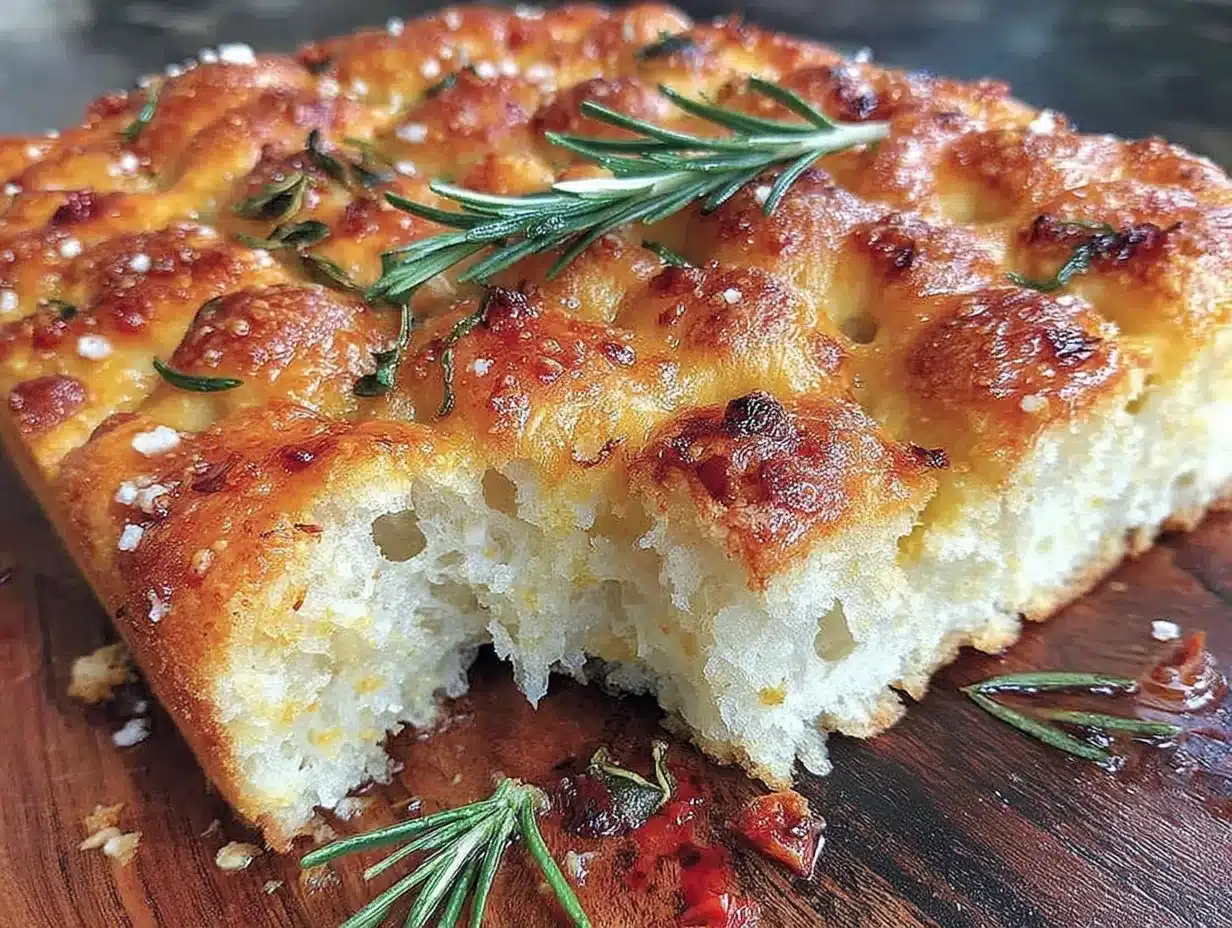
- Unbelievably Delicious : The combination of crispy, olive-oil-crusted edges and soft, airy interior with fragrant rosemary is pure comfort food magic.
What makes this recipe different from every other focaccia out there is the discard itself. The natural acidity from the fermented starter adds a subtle tang that balances beautifully with the rich olive oil and piney rosemary. It’s not just another bread recipe—it’s the one that makes people ask for the recipe before they’ve even finished their slice. I’ve had friends text me the next morning saying they dreamt about it. That’s the kind of recipe this is.
What Ingredients You Will Need
This recipe uses simple, wholesome ingredients that you probably already have in your kitchen. The magic happens when they come together with your sourdough discard.
- 1 cup (240g) sourdough discard – Unfed discard straight from the fridge works perfectly. No need to feed it first. (This is the star of the show—it adds flavor and helps with texture.)
- 2 cups (260g) all-purpose flour – I prefer King Arthur Flour for consistent results, but any brand works. Bread flour will give you a chewier texture if that’s your preference.
- 1 cup (240ml) warm water – About 90-100°F. Too hot will kill the yeast activity in the discard.
- 2 tablespoons (30ml) olive oil – Plus extra for the pan and topping. Use a good quality extra virgin olive oil here—you’ll taste it.
- 1 teaspoon salt – Fine sea salt dissolves better. I use Redmond’s Real Salt for its mineral complexity.
- 1 teaspoon instant yeast – This gives the discard a boost for a reliable rise. If your discard is very active, you can reduce to ½ teaspoon.
- 2 tablespoons fresh rosemary – Chopped fine. Dried rosemary works in a pinch but use half the amount.
- Flaky sea salt for topping – Maldon is my go-to. The crunch makes a difference.
Substitution Guidance: For a gluten-free option, use a 1:1 gluten-free flour blend. The texture will be denser but still delicious. If you don’t have fresh rosemary, try dried thyme or even everything bagel seasoning for a fun twist. Use dairy-free options as needed—this recipe is naturally dairy-free already.
Equipment Needed
You don’t need much for this recipe, which is part of why I love it. Here’s what you’ll need:
- 9×13 inch baking pan – Metal or glass both work. I prefer metal for better browning on the bottom.
- Large mixing bowl – Any bowl big enough to hold the dough as it rises.
- Measuring cups and spoons – Or a kitchen scale for more accuracy.
- Wooden spoon or dough whisk – For mixing. Your hands work too.
- Plastic wrap or a damp kitchen towel – For covering the dough while it rises.
- Spatula – For spreading the dough in the pan.
If you don’t have a 9×13 pan, a cast iron skillet works beautifully. I’ve also used a round cake pan in a pinch—the focaccia just comes out round instead of rectangular. No need to buy special equipment. I’ve made this in a disposable aluminum pan while camping, and it still turned out amazing.
Preparation Method
- Mix the dough. In your large bowl, combine the sourdough discard, warm water, and olive oil. Stir until the discard breaks up and incorporates. Add the flour, salt, and instant yeast. Mix with a wooden spoon until a shaggy, sticky dough forms. It will look rough—that’s okay. (About 2 minutes)
- First rise. Cover the bowl with plastic wrap or a damp towel. Let it sit at room temperature for 1 hour. The dough should puff up slightly and look bubbly on the surface. (1 hour)
- Stretch and fold. Wet your hands with water to prevent sticking. Grab one side of the dough, stretch it up, and fold it over the center. Repeat on all four sides. This builds strength without kneading. Cover and let rest 30 minutes.
- Second stretch and fold. Repeat the process once more. The dough will feel smoother and more elastic. Cover and let rest another 30 minutes. (30 minutes)
- Prepare the pan. Pour 2 tablespoons of olive oil into your 9×13 pan. Spread it around to coat the bottom and sides generously. This is what gives you that crispy, golden crust.
- Transfer the dough. Gently scrape the dough into the oiled pan. Don’t deflate it more than necessary. Let it sit for 10 minutes to relax.
- Spread the dough. Using your fingertips, gently press the dough to spread it toward the edges of the pan. If it springs back, let it rest 5 minutes and try again. Be patient—cold dough resists. (About 5 minutes active time)
- Second rise. Cover the pan loosely with plastic wrap. Let the dough rise for 45 minutes to 1 hour, until it’s puffy and nearly doubled in thickness. (45 minutes to 1 hour)
- Dimple the dough. Preheat your oven to 425°F. Uncover the dough. Using oiled fingertips, press deep dimples all over the surface—all the way to the bottom of the pan. Don’t be shy. These dimples hold the oil and create those signature craggy pockets.
- Add toppings. Drizzle another 1-2 tablespoons of olive oil over the top. Sprinkle the chopped rosemary evenly across the surface. Finish with a generous sprinkle of flaky sea salt.
- Bake. Place the pan on the middle rack. Bake for 20-25 minutes, until the top is deep golden brown and the edges are crispy and caramelized. The bottom should sound hollow when tapped. (20-25 minutes)
- Cool and serve. Let the focaccia cool in the pan for 5 minutes, then transfer to a wire rack. Don’t skip this—it lets the bottom stay crispy. Serve warm or at room temperature.
Cooking Tips & Techniques
I’ve burned more focaccia than I care to admit, so let me save you some trouble. First, don’t skip the stretch and folds. I tried rushing through this step once, and the dough came out dense and flat. Those folds build the structure that gives you that airy, open crumb. Trust the process.
Watch your oven temperature carefully. Every oven runs differently. My old apartment oven ran hot, and I learned the hard way that 425°F meant checking at 18 minutes instead of 20. If your focaccia is browning too fast on top but still looks pale on the bottom, move it to a lower rack next time. I keep a cheap oven thermometer inside now—best $5 I ever spent.
Here’s a trick I learned from a baker in Italy: let the dough rest in the pan for 10 minutes before spreading it. The dough relaxes and becomes much easier to work with. If it keeps springing back, it needs more rest time. I once fought with a batch for 20 minutes before giving up and letting it sit. Came back, and it spread like a dream. Patience pays off with bread.
For the best texture, make sure your discard is at room temperature before mixing. Cold discard straight from the fridge will slow down the rise significantly. I take mine out about 30 minutes before I start mixing. Also, don’t skip the flaky salt at the end. Regular table salt dissolves into the dough, but flaky salt sits on top and gives you those little bursts of saltiness with each bite. It makes a real difference.
Variations & Adaptations
This sourdough discard focaccia is endlessly adaptable. Here are some of my favorite variations:
- Herb Garden Focaccia : Swap the rosemary for a mix of fresh thyme, oregano, and chives. I made this last summer with herbs from my garden, and it was incredible with grilled vegetables.
- Garlic and Parmesan : Add 3 cloves of minced garlic to the olive oil before pouring it over the dough. Sprinkle ¼ cup of grated Parmesan over the top before baking. My husband requests this version every time.
- Everything Bagel Focaccia : Skip the rosemary and top with everything bagel seasoning instead. The sesame seeds and poppy seeds toast beautifully in the oven. This is my go-to for breakfast sandwiches.
- Tomato and Olive : Press halved cherry tomatoes and sliced olives into the dimples before baking. The tomatoes roast and burst, creating little pockets of sweetness. I serve this with soup on cold nights.
- Sweet Version : Reduce the salt to ½ teaspoon, skip the rosemary, and top with cinnamon sugar after baking. Drizzle with a simple glaze made from powdered sugar and milk. It’s like a giant, fluffy donut.
For dietary adaptations, use gluten-free flour blend as mentioned earlier. If you’re avoiding yeast entirely, you can try this with just the discard as your leavening agent, but the rise will be less reliable and the texture denser. I’ve done it successfully with very active discard during warm weather, but I recommend the yeast for consistent results.
Serving & Storage Suggestions
This focaccia is best served warm, within an hour of baking. The edges are at their crispiest, and the interior is pillowy soft. I love serving it alongside a big bowl of classic tomato basil soup for dipping—the combination is pure comfort. It’s also fantastic with garlic herb roasted chicken and a simple green salad for an easy weeknight dinner.
For storage, keep leftover focaccia in an airtight container at room temperature for up to 2 days. Don’t refrigerate it—the fridge dries out bread faster than anything. To reheat, pop slices in a 350°F oven for 5 minutes, or toast them in a skillet with a little butter. The texture comes back beautifully. I sometimes slice and freeze the focaccia for up to a month. Just wrap it tightly in plastic wrap and foil. Thaw at room temperature and reheat in the oven.
Here’s a little secret: day-old focaccia makes incredible croutons. Cut it into cubes, toss with olive oil and herbs, and bake at 375°F for 10 minutes. You’ll never buy croutons again. I also use stale focaccia for bread pudding—savory with cheese and herbs, or sweet with cinnamon and raisins. It’s a gift that keeps giving.
Nutritional Information & Benefits
Per serving (1/8 of the recipe): approximately 220 calories, 8g fat, 32g carbohydrates, 2g fiber, 5g protein. These values are estimates and will vary based on your specific ingredients and toppings.
This sourdough discard focaccia offers some surprising benefits. The fermentation process in sourdough breaks down phytic acid, making the minerals in the flour more bioavailable. Some people with mild gluten sensitivities find fermented bread easier to digest than regular bread—though it’s not gluten-free unless you use a substitute flour. The olive oil provides healthy monounsaturated fats, and rosemary contains antioxidants that support overall wellness.
I love that this recipe lets me enjoy bread without the bloated feeling I sometimes get from commercial yeast breads. The long fermentation, even with the discard, makes a difference. Plus, using up discard means nothing goes to waste—and that feels good in a way that’s hard to measure.
Conclusion
This perfect sourdough discard focaccia with rosemary has become a staple in my kitchen for good reason. It turns what feels like kitchen waste into something genuinely special—crispy, pillowy, fragrant, and absolutely delicious. Whether you’re a seasoned sourdough baker or someone who just inherited a jar of discard from a friend, this recipe is for you. It’s forgiving, adaptable, and rewards you with bread that tastes like it came from a fancy bakery.
I’d love to hear how yours turns out. Did you try a variation? Burn the edges? Forget the salt? (I’ve done all of the above.) Drop a comment below and let me know. Share your photos, your questions, your happy accidents. That’s how we all get better in the kitchen. Now go preheat your oven—you’ve got discard to use up.
Frequently Asked Questions
Can I use active sourdough starter instead of discard?
Absolutely. If you use active starter, you might get a slightly higher rise, but the texture will be similar. Just reduce the instant yeast to ½ teaspoon since the active starter provides more leavening power.
Why is my focaccia dense and not airy?
This usually happens when the dough hasn’t risen enough. Make sure your water is warm (not hot), and give the dough enough time to double during the second rise. Cold kitchen temperatures can slow things down significantly.
Can I make this ahead of time?
Yes! You can prepare the dough through the second rise, then refrigerate it overnight. The next day, let it sit at room temperature for 30 minutes, then dimple, top, and bake as directed. The flavor actually improves with the longer fermentation.
How do I get those big air bubbles in my focaccia?
Those bubbles come from a wet, well-hydrated dough and gentle handling. Don’t overwork the dough when transferring it to the pan. The stretch and folds also help create structure that traps gas bubbles during baking.
Can I freeze the baked focaccia?
Definitely. Let it cool completely, wrap tightly in plastic wrap and foil, and freeze for up to 3 months. Thaw at room temperature and reheat in a 350°F oven for 5-7 minutes to restore the crispy edges.
Pin This Recipe!

Perfect Sourdough Discard Focaccia: Easy Rosemary Recipe
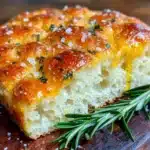
This sourdough discard focaccia turns kitchen waste into bakery-quality bread with a crispy, olive-oil-crusted exterior and a pillowy, airy interior, infused with fragrant rosemary. It’s a quick and easy recipe that uses a full cup of discard and comes together in about 3 hours.
- Prep Time: 15 minutes
- Cook Time: 25 minutes
- Total Time: 3 hours
- Yield: 8 servings 1x
- Category: Bread
- Cuisine: Italian
Ingredients
- 1 cup (240g) sourdough discard
- 2 cups (260g) all-purpose flour
- 1 cup (240ml) warm water (90-100°F)
- 2 tablespoons (30ml) olive oil, plus extra for pan and topping
- 1 teaspoon salt
- 1 teaspoon instant yeast
- 2 tablespoons fresh rosemary, chopped
- Flaky sea salt for topping
Instructions
- Mix the dough. In your large bowl, combine the sourdough discard, warm water, and olive oil. Stir until the discard breaks up and incorporates. Add the flour, salt, and instant yeast. Mix with a wooden spoon until a shaggy, sticky dough forms. It will look rough—that’s okay. (About 2 minutes)
- First rise. Cover the bowl with plastic wrap or a damp towel. Let it sit at room temperature for 1 hour. The dough should puff up slightly and look bubbly on the surface. (1 hour)
- Stretch and fold. Wet your hands with water to prevent sticking. Grab one side of the dough, stretch it up, and fold it over the center. Repeat on all four sides. This builds strength without kneading. Cover and let rest 30 minutes.
- Second stretch and fold. Repeat the process once more. The dough will feel smoother and more elastic. Cover and let rest another 30 minutes. (30 minutes)
- Prepare the pan. Pour 2 tablespoons of olive oil into your 9×13 pan. Spread it around to coat the bottom and sides generously. This is what gives you that crispy, golden crust.
- Transfer the dough. Gently scrape the dough into the oiled pan. Don’t deflate it more than necessary. Let it sit for 10 minutes to relax.
- Spread the dough. Using your fingertips, gently press the dough to spread it toward the edges of the pan. If it springs back, let it rest 5 minutes and try again. Be patient—cold dough resists. (About 5 minutes active time)
- Second rise. Cover the pan loosely with plastic wrap. Let the dough rise for 45 minutes to 1 hour, until it’s puffy and nearly doubled in thickness. (45 minutes to 1 hour)
- Dimple the dough. Preheat your oven to 425°F. Uncover the dough. Using oiled fingertips, press deep dimples all over the surface—all the way to the bottom of the pan. Don’t be shy. These dimples hold the oil and create those signature craggy pockets.
- Add toppings. Drizzle another 1-2 tablespoons of olive oil over the top. Sprinkle the chopped rosemary evenly across the surface. Finish with a generous sprinkle of flaky sea salt.
- Bake. Place the pan on the middle rack. Bake for 20-25 minutes, until the top is deep golden brown and the edges are crispy and caramelized. The bottom should sound hollow when tapped. (20-25 minutes)
- Cool and serve. Let the focaccia cool in the pan for 5 minutes, then transfer to a wire rack. Don’t skip this—it lets the bottom stay crispy. Serve warm or at room temperature.
Notes
Don’t skip the stretch and folds—they build structure for an airy crumb. Let the dough rest in the pan for 10 minutes before spreading to make it easier. Use room temperature discard for best results. Flaky sea salt is essential for texture. For variations, try herb garden mix, garlic and Parmesan, everything bagel seasoning, tomato and olive, or a sweet cinnamon sugar version.
Nutrition
- Serving Size: 1/8 of recipe
- Calories: 220
- Sugar: 1
- Sodium: 290
- Fat: 8
- Saturated Fat: 1
- Carbohydrates: 32
- Fiber: 2
- Protein: 5
Keywords: sourdough discard, focaccia, rosemary, easy bread, discard recipe, sourdough bread, olive oil bread