Love this? Save it for later!
Share the inspiration with your friends
“You know that feeling when your garden suddenly bursts with tomatoes – more than you ever expected – and you’re left wondering what on earth to do with all of them?” That was me last August, standing in my backyard surrounded by vibrant red, yellow, and even purple tomatoes spilling from every corner of my raised beds. I wasn’t exactly prepared for this kind of abundance. Honestly, I hadn’t planned beyond tossing a few in salads or making a quick sauce.
That afternoon, as the sun warmed the porch and bees hummed lazily around the marigolds, my neighbor, Mrs. Lopez, popped over with a basket of her own tomato bounty. She casually mentioned how she’d been preserving tomatoes for decades – nothing fancy, just smart, easy methods that anyone could handle. I was skeptical at first (I mean, who has time for all that when the harvest is still coming in nonstop?), but she patiently shared a few simple ideas that didn’t require endless hours or complicated equipment.
So, I rolled up my sleeves, grabbed a cracked mixing bowl that I’d been meaning to toss, and gave her tips a try. Between the slow roasting, quick freezing, and a surprising drying technique, I found ways to savor every last tomato long after the vines had quieted down for fall. Maybe you’ve been there too – inundated with tomatoes and unsure how to keep that fresh garden taste alive well beyond harvest season. Let me tell you, these easy garden tomato preservation ideas are exactly what you need for abundant harvests that don’t go to waste.
Stick around, and I’ll walk you through the methods that turned my kitchen into a tomato treasure trove. It’s practical, it’s doable, and honestly, it might just change how you see preserving your summer bounty.
Why You’ll Love This Recipe
After testing these garden tomato preservation ideas through multiple seasons, I can confidently say they’re a game-changer for anyone facing an overflowing harvest. Here’s why you’ll find these methods both practical and satisfying:
- Quick & Easy: Each technique comes together in under an hour, making it perfect when you’re juggling busy days but want to save that fresh garden flavor.
- Simple Ingredients: No fancy additives or preservatives needed – just fresh tomatoes and basic pantry staples you probably already have.
- Perfect for Abundant Harvests: Whether you’re picking pounds of cherry tomatoes or large slicing varieties, these ideas handle it all without overwhelming your kitchen.
- Crowd-Pleaser: Preserved tomatoes make fantastic additions to soups, stews, salads, and sandwiches – your family and guests will notice the difference.
- Unbelievably Delicious: These methods maintain that sun-ripened, tangy-sweet flavor you crave even months after picking.
What makes these garden tomato preservation ideas different? I’ve focused on techniques that respect the tomato’s natural texture and taste without overcomplicating the process. For instance, slow roasting intensifies sweetness without turning the tomatoes to mush, while quick freezing preserves their juiciness and color. Plus, the drying method I’ll share uses minimal equipment but yields chewy, flavorful bites perfect for snacking or cooking.
Honestly, it’s about keeping your summer harvest vibrant and ready to enjoy all year long – without stress or fancy gadgets. So if you want to turn your tomatoes into lasting kitchen treasures, you’re in the right place.
What Ingredients You Will Need
This recipe collection uses straightforward, fresh ingredients that highlight the natural goodness of your garden tomatoes. No complicated additions here, just what you need to preserve and enhance your harvest.
- Fresh Tomatoes: Any variety works – cherry, Roma, beefsteak, heirloom. I often mix types for variety. Look for firm, ripe tomatoes without bruises or cracks for best results.
- Extra Virgin Olive Oil: For slow roasting and flavor infusion. I recommend a good-quality brand like California Olive Ranch for richness.
- Sea Salt or Kosher Salt: Enhances flavor during preservation; use sparingly to avoid masking natural tomato sweetness.
- Fresh Herbs (optional): Rosemary, thyme, or basil add lovely aroma when roasting or drying.
- Garlic Cloves (optional): Adds depth to roasted tomatoes – just a few smashed cloves work wonders.
- Lemon Juice or Vinegar: Useful for canning or pickling if you’re extending beyond these methods.
- Freezer-Safe Bags or Containers: For quick freezing, choose sturdy, BPA-free options to avoid freezer burn.
- Non-Stick Parchment Paper: Helpful for drying tomatoes to prevent sticking and ease cleanup.
For substitutions, feel free to swap olive oil with avocado oil if you prefer a milder taste. If you’re avoiding salt, simply reduce it or leave it out—your preserved tomatoes will still shine.
Equipment Needed
- Baking Sheets: For roasting and drying tomatoes. I like heavy-duty aluminum trays; they distribute heat evenly.
- Sharp Knife: Essential for slicing tomatoes cleanly and safely.
- Mixing Bowls: For tossing tomatoes with oil and seasoning. A large glass or ceramic bowl works best to avoid staining.
- Oven or Dehydrator: The oven handles roasting and drying easily; a dehydrator is a great alternative for consistent low heat when drying tomatoes.
- Freezer-Safe Containers or Bags: For freezing tomatoes, choose ones that seal tightly to maintain freshness.
- Food Processor (optional): Useful if you want to make quick sauces from preserved tomatoes.
If you don’t have a dehydrator, no worries! The oven’s low setting does the trick. Also, investing in a quality sharp knife is worth it—I once tried using a dull blade and ended up with squished tomatoes everywhere (lesson learned!).
Preparation Method
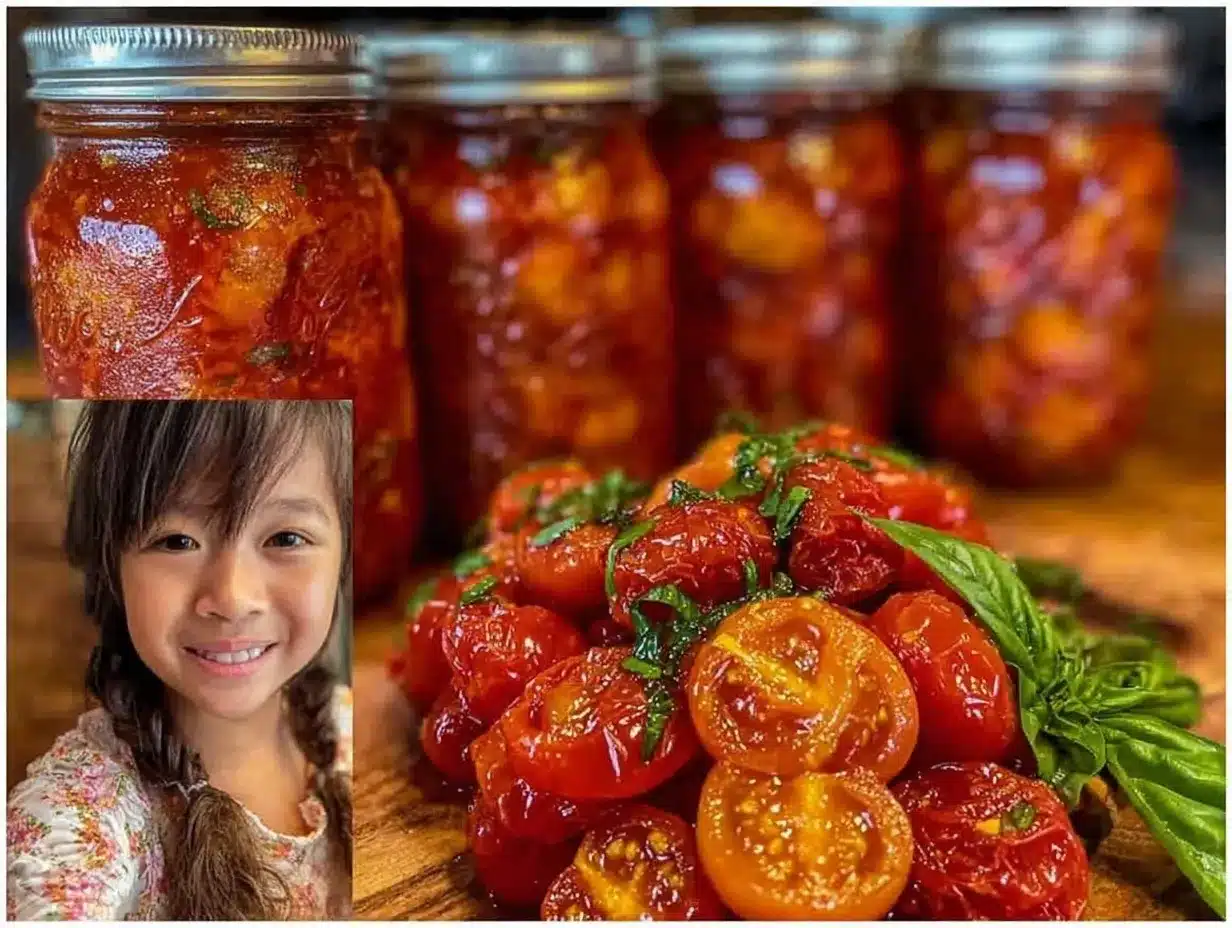
- Wash and Dry Your Tomatoes (10 minutes): Rinse tomatoes gently under cool water to remove dirt and debris. Pat them dry with a clean towel to avoid excess moisture that can interfere with preservation.
- Sort and Prepare Tomatoes (15 minutes): Discard any bruised or damaged fruits. Slice large tomatoes into halves or quarters depending on size. For cherry tomatoes, leave them whole or halve if preferred.
- Slow Roasting (45-60 minutes): Preheat your oven to 250°F (120°C). Toss tomato pieces with olive oil, salt, and optional garlic or herbs in a bowl. Arrange in a single layer on a parchment-lined baking sheet. Roast until edges start to caramelize and tomatoes shrink slightly but still hold shape. This usually takes about 45-60 minutes. Watch closely near the end to prevent burning. The tomatoes should smell sweet and look glossy.
- Quick Freezing (15 minutes prep; storage indefinite): For freezing, spread whole or halved tomatoes on a baking sheet and freeze until solid (about 2 hours). Once frozen, transfer to freezer-safe bags, squeezing out air before sealing. This method keeps tomatoes’ fresh taste and texture intact for later use in sauces or stews.
- Drying Tomatoes (6-8 hours): If using an oven, set it to the lowest temperature (around 140°F/60°C). Slice tomatoes thinly (about 1/4 inch), place on parchment paper spaced apart, and dry for 6-8 hours, flipping halfway through. Dry tomatoes should be leathery but still pliable. If using a dehydrator, follow manufacturer’s instructions for tomatoes.
- Storing Your Preserved Tomatoes: Place roasted tomatoes in sterilized jars or airtight containers and refrigerate for up to two weeks. Dried tomatoes keep well in sealed jars for months, and frozen ones last several months in the freezer.
Pro tip: When roasting, I sometimes get distracted (hello, phone calls!) and almost overcook my batch. Setting a timer saves me every time. Also, slicing tomatoes uniformly helps them cook evenly—no one wants half raw, half burnt!
Cooking Tips & Techniques
One trick I learned is to avoid overcrowding the baking sheet during roasting; tomatoes need space to dry and caramelize properly. Overlapping pieces leads to steaming rather than roasting, which dulls the flavor.
When drying tomatoes, thin slices are key. Too thick and they won’t dehydrate well, leading to mold later. Plus, flipping them halfway ensures even drying and prevents sticking.
Freezing tomatoes whole or halved preserves more texture than mashing or pureeing first. I find frozen tomatoes best for cooked dishes rather than fresh salads because the texture softens once thawed.
Also, salt conservatively at first—you can always add more later when cooking with preserved tomatoes, but too much salt is tricky to fix.
Finally, multitask by prepping tomatoes while other dishes cook. I often slice tomatoes during breakfast prep or while waiting for water to boil—small moments add up!
Variations & Adaptations
- Herb-Infused Roasted Tomatoes: Add rosemary, thyme, or oregano before roasting for an aromatic punch.
- Spicy Drying: Sprinkle dried chili flakes on tomato slices before drying to give a subtle heat that livens up pastas and salads.
- Pickled Tomatoes: For a tangy twist, preserve cherry tomatoes in a vinegar brine with garlic and dill. This adds a fresh zing to sandwiches and snacks.
- Gluten-Free & Vegan Friendly: All these methods are naturally free from gluten and animal products, making them accessible for many diets.
- Personal Variation: I once tossed slow-roasted tomatoes into a batch of homemade crispy garlic chicken marinade, and the flavor combo was unforgettable—try it if you want a savory-sweet boost!
Feel free to mix and match herbs or try different tomato varieties for your own signature preserved flavor.
Serving & Storage Suggestions
Serve roasted tomatoes warm as a side dish or cool them to add texture and flavor to salads and sandwiches. Dried tomatoes make excellent toppings for pizzas or flavorful additions to grain bowls.
Store roasted tomatoes in airtight containers in the fridge for up to two weeks. For longer storage, freeze in small portions to pull out as needed. Dried tomatoes keep best in cool, dark places inside sealed jars and stay good for several months.
When reheating roasted tomatoes, a gentle warm-up in a skillet or microwave works best to preserve texture and flavor. Avoid overheating or they’ll become mushy.
Over time, the flavors of preserved tomatoes tend to deepen and mellow, making them even better a week or two into storage.
Nutritional Information & Benefits
Tomatoes are low in calories but rich in vitamins C and K, potassium, and antioxidants like lycopene, which supports heart health.
Preserving tomatoes with these methods retains most nutrients, especially when slow roasting or drying at low temperatures. Freezing also locks in vitamins effectively.
This recipe is naturally gluten-free, vegan, and low in sodium if you control salt use. Just watch for added oils or herbs if you have specific dietary concerns.
From a wellness perspective, preserving your own tomatoes means fewer preservatives and additives than store-bought canned or jarred options, keeping your meals wholesome and fresh-tasting.
Conclusion
These easy garden tomato preservation ideas are the perfect way to make the most of an abundant harvest without feeling overwhelmed. Whether you’re roasting, freezing, or drying, the techniques are straightforward, flexible, and yield delicious results that keep your summer garden magic alive all year.
Try them out, tweak with your own favorite herbs or spices, and don’t be afraid to experiment—after all, some of the best culinary discoveries happen when you least expect it. I keep coming back to these methods season after season because they save me time, reduce waste, and bring that fresh-from-the-garden taste to every meal.
Let me know how your tomato preserving adventures go—I’d love to hear your twists or any questions you have. Happy preserving!
Frequently Asked Questions
How long do preserved tomatoes last?
Slow-roasted tomatoes stored in the fridge typically last about two weeks. Dried tomatoes in sealed jars can keep for several months at room temperature. Frozen tomatoes remain good for 6-12 months.
Can I preserve tomatoes without oil?
Yes! For drying and freezing, oil is optional. Roasting without oil is possible but may reduce flavor and texture richness.
What’s the best tomato variety for preservation?
Roma and plum tomatoes are great for roasting and drying due to their dense flesh. Cherry tomatoes freeze well whole. But feel free to use any variety you have on hand.
Do I need special jars for storing roasted tomatoes?
Not necessarily. Clean, airtight containers or small mason jars work well. Just ensure they’re sterilized and sealed tightly to keep tomatoes fresh.
Can I use preserved tomatoes in raw dishes?
Dried tomatoes are excellent in salads and raw dishes. Roasted tomatoes are best used cooked or at room temperature. Frozen tomatoes work well in cooked sauces and soups once thawed.
Pin This Recipe!

Easy Garden Tomato Preservation Ideas for Abundant Harvests That Work

Simple and practical methods to preserve an abundant tomato harvest using slow roasting, quick freezing, and drying techniques that maintain fresh flavor and texture.
- Prep Time: 25 minutes
- Cook Time: 45-60 minutes (roasting) plus drying/freezing time as applicable
- Total Time: 1 hour 10 minutes to 8 hours 25 minutes depending on method
- Yield: Varies depending on quantity of tomatoes preserved
- Category: Preservation
- Cuisine: American
Ingredients
- Fresh tomatoes (any variety: cherry, Roma, beefsteak, heirloom)
- Extra virgin olive oil
- Sea salt or kosher salt
- Fresh herbs (optional: rosemary, thyme, basil)
- Garlic cloves (optional)
- Lemon juice or vinegar (optional for canning or pickling)
- Freezer-safe bags or containers
- Non-stick parchment paper
Instructions
- Wash and dry your tomatoes thoroughly to remove dirt and moisture (about 10 minutes).
- Sort and prepare tomatoes by discarding bruised or damaged ones; slice large tomatoes into halves or quarters, leave cherry tomatoes whole or halved (about 15 minutes).
- Slow roasting: Preheat oven to 250°F (120°C). Toss tomato pieces with olive oil, salt, and optional garlic or herbs. Arrange in a single layer on parchment-lined baking sheets. Roast for 45-60 minutes until edges caramelize and tomatoes shrink but hold shape.
- Quick freezing: Spread whole or halved tomatoes on a baking sheet and freeze until solid (about 2 hours). Transfer frozen tomatoes to freezer-safe bags, squeezing out air before sealing. Store indefinitely in freezer.
- Drying tomatoes: Set oven to lowest temperature (~140°F/60°C). Slice tomatoes thinly (~1/4 inch), place on parchment paper spaced apart. Dry for 6-8 hours, flipping halfway through until leathery but pliable. Alternatively, use a dehydrator following manufacturer instructions.
- Store preserved tomatoes appropriately: roasted tomatoes in sterilized jars or airtight containers in the fridge for up to two weeks; dried tomatoes in sealed jars at room temperature for several months; frozen tomatoes in freezer for 6-12 months.
Notes
Avoid overcrowding baking sheets during roasting to prevent steaming. Slice tomatoes uniformly for even cooking. Use a timer to avoid overcooking. Thin slices are key for drying to prevent mold. Salt conservatively to preserve natural sweetness. Freezing tomatoes whole or halved preserves texture better than mashing.
Nutrition
- Serving Size: Serving size varies;
- Calories: 35
- Sugar: 4.21
- Fat: 0.21
- Saturated Fat: 100
- Carbohydrates: 7100
- Fiber: 1.51
- Protein: 1100
Keywords: tomato preservation, slow roasting tomatoes, drying tomatoes, freezing tomatoes, garden tomatoes, tomato harvest, easy tomato recipes, preserving tomatoes, homemade tomato preservation